Investing
Commercial vs. Residential: Which Property Type Is Right for You?

Commercial and residential real estate operate under fundamentally different economics, management demands, and investor skill sets. Choosing between them depends on your capital base, risk tolerance, time availability, and long-term strategy. For most first-time investors, residential — particularly single-family homes and small multi-family — is the more accessible starting point. As you build equity and learn the mechanics of property management, commercial assets become viable options for portfolio diversification. But that does not mean commercial is automatically the superior long-term choice — each category has distinct advantages and constraints that suit different investor profiles.
Commercial Property: Income-Driven, Relationship-Based
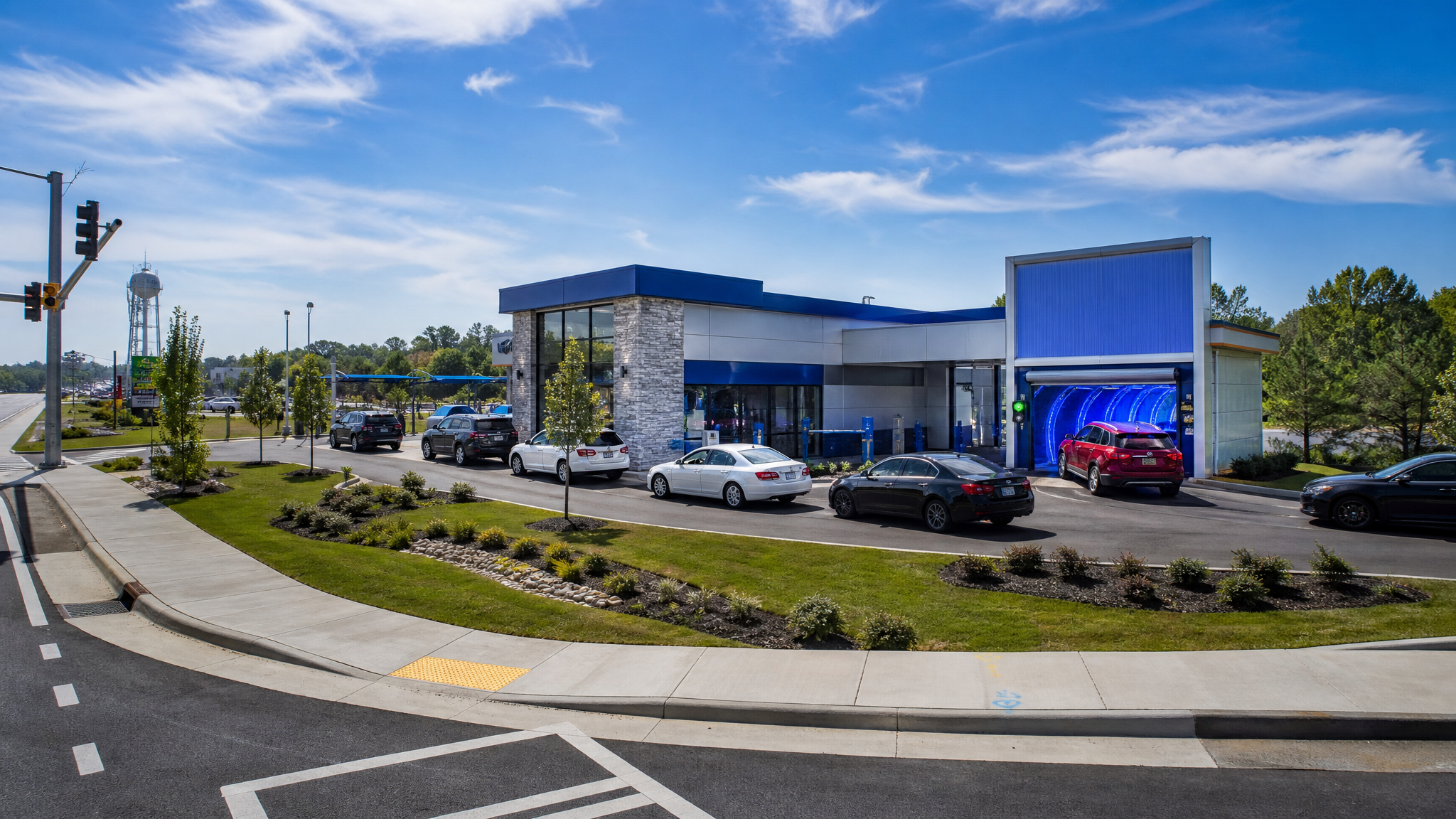
Commercial properties — office, retail, industrial, mixed-use — are valued based on income. A commercial property's worth is derived from the rent it generates, and leases are typically 3-10 years in length. When the lease expires, the investor has the opportunity to reset rents to market rates. This income reset dynamic is one of the primary ways commercial investors create value — buying an asset with rents below market and holding until lease maturity to push rents to current market levels.
Commercial tenants also pay directly for expenses like utilities, property taxes, and maintenance through triple-net (NNN) lease structures, reducing the landlord's operational burden and making cash flow more predictable. However, commercial properties can experience extended vacancies during economic downturns, and re-tenanting retail or office space is far more capital-intensive than finding a residential tenant. The COVID period demonstrated how quickly office and retail vacancies can spike and how long they can persist before finding replacement tenants at acceptable rents.
The investor profile for commercial skews toward those with more capital, higher risk tolerance, and tolerance for longer deal cycles. Commercial down-payment requirements vary by lender and property type (verify current requirements with your lender), and commercial deals carry higher interest rates and involve longer due diligence periods involving lease reviews, estoppels, and sometimes environmental assessments.
Residential Property: Accessible, Manageable, Scalable
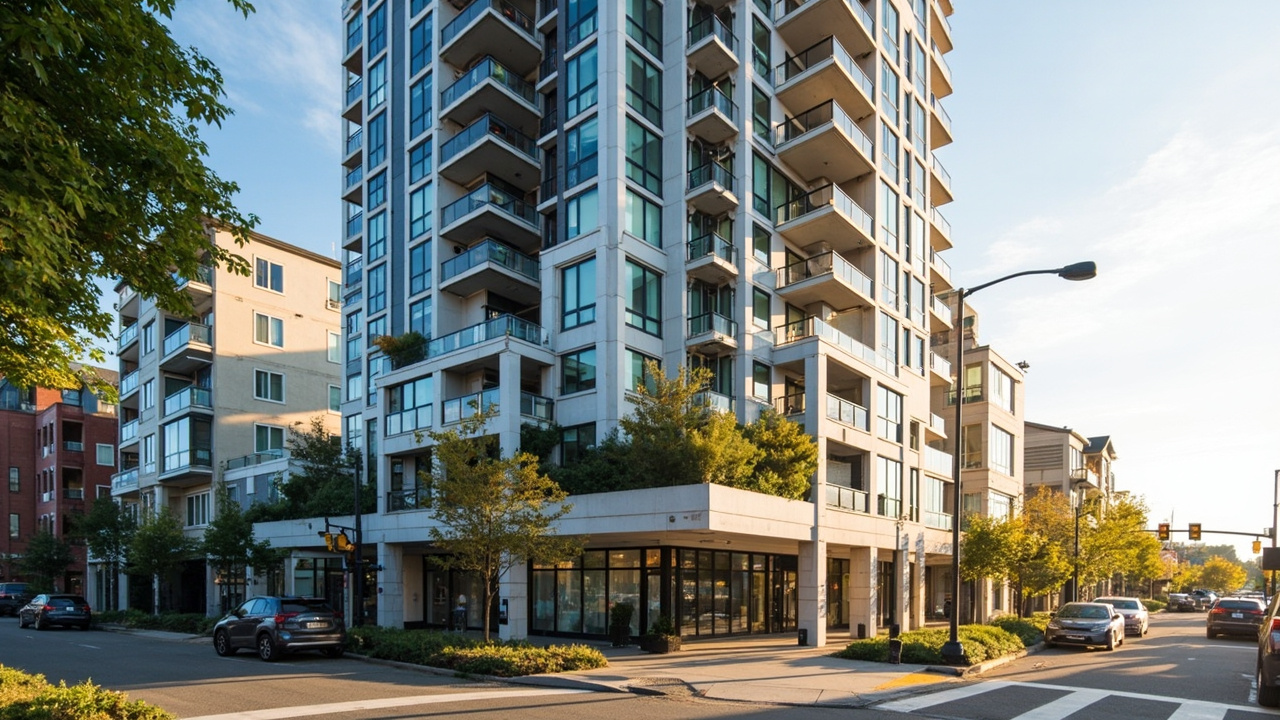
Residential properties generate income from month-to-month leases, typically 12 months in duration. Tenant turnover is more frequent but re-leasing is usually faster and less expensive than commercial tenant improvement costs. A residential landlord can have a unit vacant for one to two months and recover most of that income loss through the next tenant's first month's rent — compare that to a commercial tenant improvement allowance that can run tens of thousands of dollars per tenant.
Residential income scales more linearly — you manage one unit at a time rather than one large commercial tenant whose departure creates a sudden large income gap. Properties can be self-managed by the owner for the first several units, delegated to a property manager as the portfolio grows, or structured with a hybrid approach where the owner handles tenant relations while outsourcing maintenance and accounting. This flexibility makes residential more accessible to investors who cannot dedicate full-time attention to their portfolio.
Capital Requirements, Leverage, and Entry Barriers
Residential investment typically requires less capital to enter — conventional single-family down payments vary by program and credit profile (verify current minimums with your lender) — and is easier to finance with conventional products. Commercial down-payment requirements vary by lender and property type, and commercial properties carry higher interest rates and stricter lender scrutiny through agency lending channels. The leverage profile is different, which affects risk and return calculations at the portfolio level.
For most first-time investors, residential is the appropriate starting point. Once you have successfully managed a few residential properties, you will have the operational experience, track record, and equity base to evaluate commercial assets with more confidence. The decision is ultimately about your current capital position, time availability, and whether the additional return potential of commercial justifies the additional complexity and risk.
A Worked Example: Same Investor, Two Property Types (Hypothetical Illustration)
Consider a hypothetical investor evaluating two hypothetical acquisitions, each at $1,200,000. Property A is a hypothetical 12-unit residential apartment building in Wasilla, Alaska. Property B is a hypothetical 6,000-square-foot retail strip with three tenants in Anchorage. The investor is qualified for both property types but has only owned residential rental property previously.
For Property A: gross potential rent is $174,000 (12 units × $1,210 average × 12 months). Vacancy and collection loss at 7% produces effective gross income of $161,820. Operating expenses — property taxes ($14,400), insurance ($6,800), professional management at 7% ($11,327), utilities ($4,200), maintenance and repairs ($11,400), CapEx reserve ($7,200) — total $55,327. NOI is $106,493. Cap rate at the listed price: $106,493 ÷ $1,200,000 = 8.87%.
For Property B: gross potential rent is $174,000 (three tenants at $4,200, $4,800, and $5,500 per month triple-net, totaling $14,500 monthly or $174,000 annually). Triple-net leases pass property tax, insurance, and maintenance through to the tenants. Effective gross income to the landlord is $174,000. Operating expenses are limited to common area maintenance ($4,800) and professional management at 4% ($6,960) — total $11,760. NOI is $162,240. Cap rate at the listed price: $162,240 ÷ $1,200,000 = 13.52%.
Property B produces 4.65 percentage points more cap rate than Property A — and the landlord's role is fundamentally different. The triple-net tenant pays for almost everything. The landlord's job is to collect rent and monitor tenant credit. But Property B carries different risks: tenant concentration (one of three tenants represents 38% of rent), longer lease terms (typically 5–10 years for commercial), and exit liquidity that depends on commercial buyer demand rather than the broader residential buyer pool.
Common Commercial vs Residential Mistakes
Underestimating tenant credit risk in commercial. Commercial tenants can fail — and when they fail, the eviction process is longer, more expensive, and more legally complex than residential. Triple-net leases shift operating expense risk to the tenant, but they do not shift credit risk. A tenant who cannot pay rent leaves the landlord with a vacant unit and continued debt service.
Overestimating residential management simplicity. Residential tenants turn over more frequently than commercial, generating ongoing turnover costs — cleaning, painting, marketing, screening. The management overhead of residential is higher than the cap rate differential often suggests. A residential property with a 6.5% cap rate and 30% annual turnover may produce less net cash flow than a commercial property with a 9% cap rate and a 10-year lease to a national tenant.
Ignoring the residential financing advantage. Residential rental properties of 1–4 units qualify for conventional residential financing with lower down payments (15–25%) and competitive interest rates. Commercial properties of 5+ units typically require commercial financing with 25–35% down, higher interest rates, and stricter debt service coverage ratios. The financing structure materially affects cash-on-cash return even at similar cap rates.
Confusing cap rate compression across property types. A 6.5% cap rate on a single-family rental is normal; a 6.5% cap rate on a Class A apartment building would be unusually high. Cap rate compression reflects the market's pricing of risk, liquidity, tenant credit, and lease duration. Comparing cap rates across property types requires understanding what each market is pricing in.
Property Type Selection Checklist
- Have you analyzed both residential and commercial options at the actual financing terms available for each?
- Have you modeled the management overhead for each property type (turnover cost for residential, tenant monitoring for commercial)?
- Have you assessed the local market depth for resale of each property type?
- Have you reviewed the credit and financial condition of the commercial tenants?
- Have you considered the long-term lease structure of commercial tenants, including renewal options and rent escalators?
- Have you consulted with a real estate professional experienced in the specific property type?
When This Comparison Doesn't Apply
The commercial vs residential comparison assumes stabilized, income-producing properties in conventional markets. It does not apply to development properties, where the analysis is built on projected stabilized income and construction economics. It does not apply to mixed-use properties with both commercial and residential components, where each component is valued separately and then blended. It does not apply to special-purpose properties (hotels, self-storage, marinas), where operating economics differ materially. Investors should match the analysis framework to the actual property type.